When Your Child Needs an Appropriate Adult
Why the person beside him in interview must be properly trained
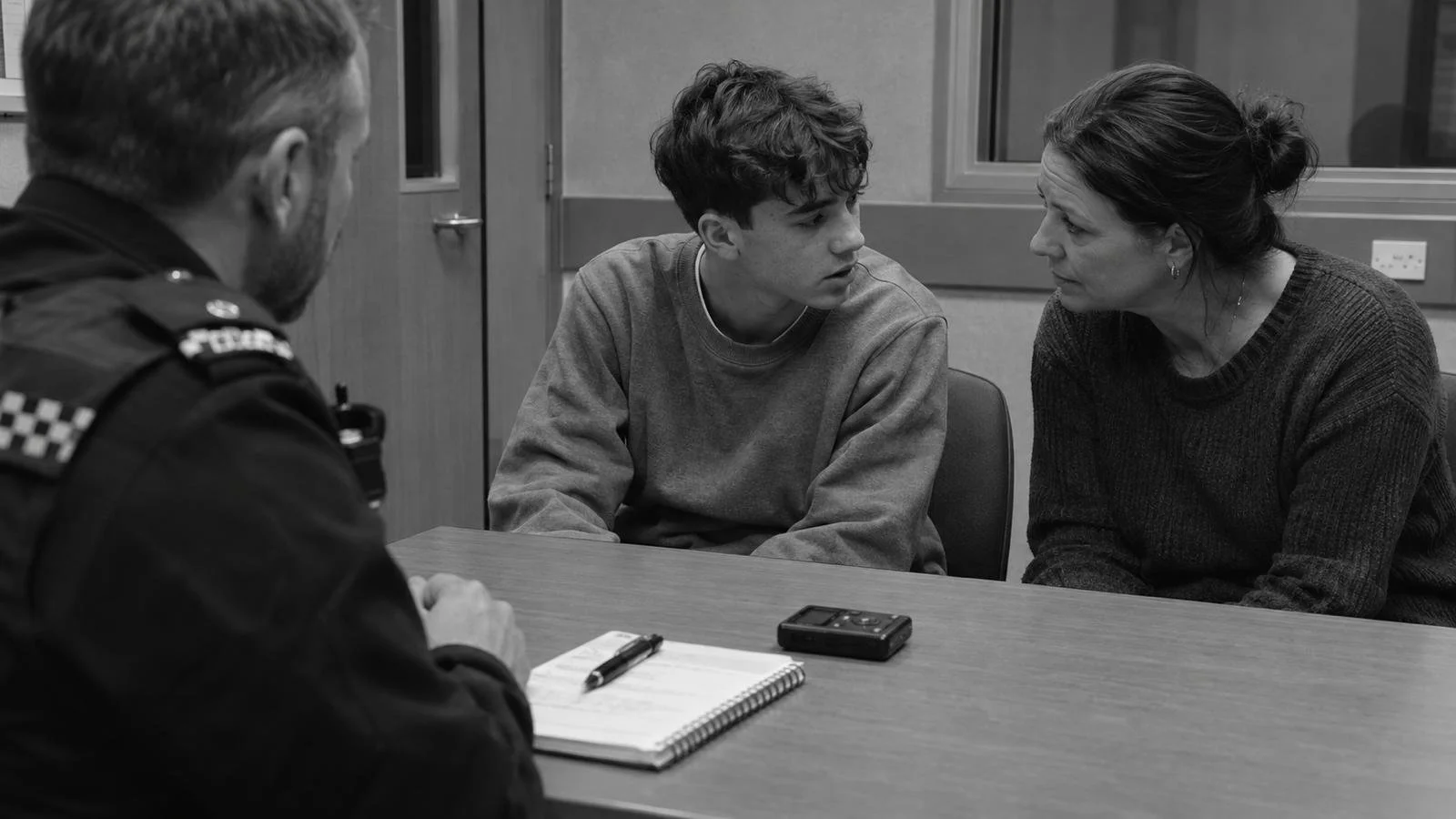
If your child is under 18, or is a vulnerable adult, the police must provide an appropriate adult before they interview him. The appropriate adult is there to support him, make sure he understands what is happening and check that he is treated fairly. Often this is a parent. If a parent can't do it, or shouldn't, someone else is called in.
Why this matters
A young person who is neurodivergent, has ADHD, has attachment difficulties or has been through trauma may struggle in a police interview. He may not follow long questions, may agree just to make it stop, or may shut down completely. In our experience, that is exactly what can happen. What he says in that state can then be used as evidence.
The appropriate adult must be someone he feels safe with
If a young person is frightened of the person beside him, or desperate to get out of the cell, he may say whatever he thinks will end the interview. In our experience, this can do lasting damage to a case. If your child is afraid of the adult who has been asked to support him, tell the custody officer and his solicitor straight away.
Why we advise using a trained appropriate adult
A parent can act as an appropriate adult, and many do. But in our experience, a parent in that room is frightened, distraught and emotionally overwhelmed. Most parents don't know the rules. They don't know they can ask for a question to be explained, a movement break or the interview to be paused. That's not a failing. It's simply too much to ask of a parent at the worst moment of their life.
That's why we advise families to ask for a trained appropriate adult wherever possible. It's also why our Family Caseworker stays with the family throughout: to explain each step to the young person and to his parents, so nobody is left guessing.
The gap
Appropriate adults exist on paper, but in our experience many are volunteers with good intentions and little specialist training. There is no mandatory national training standard. For vulnerable adults, the appropriate adult safeguard rests on guidance, not law. A young person can be sitting beside someone who doesn't recognise the signs that he is overwhelmed.
What a trained appropriate adult can do
Spot when he is becoming overwhelmed or shutting down
Ask, on record, for a question to be explained in simpler words
Ask for a movement break or for the interview to be paused
Ask for a solicitor if he doesn't have one
Make sure his needs are known to the custody staff
What parents can do
Tell the custody officer about his needs straight away: neurodivergence, ADHD, attachment, anxiety, claustrophobia or any risk of self-harm.
Ask for a trained appropriate adult, and make sure he has a solicitor before he answers any questions.
If you do act as his appropriate adult, remember you can ask for breaks and for questions to be explained. Speak up.
Where we stand
We are calling for:
Every appropriate adult to be trained to a mandatory national standard in safeguarding, neurodiversity, ADHD, attachment and trauma
The appropriate adult safeguard to be put on a statutory footing for vulnerable adults as well as children
Appropriate adults to be available whenever police need them, day or night
The young person's own wishes to be taken into account when deciding who acts as his appropriate adult
To find out about our Family Caseworker service, see How we help.
This page is general information, not legal advice.