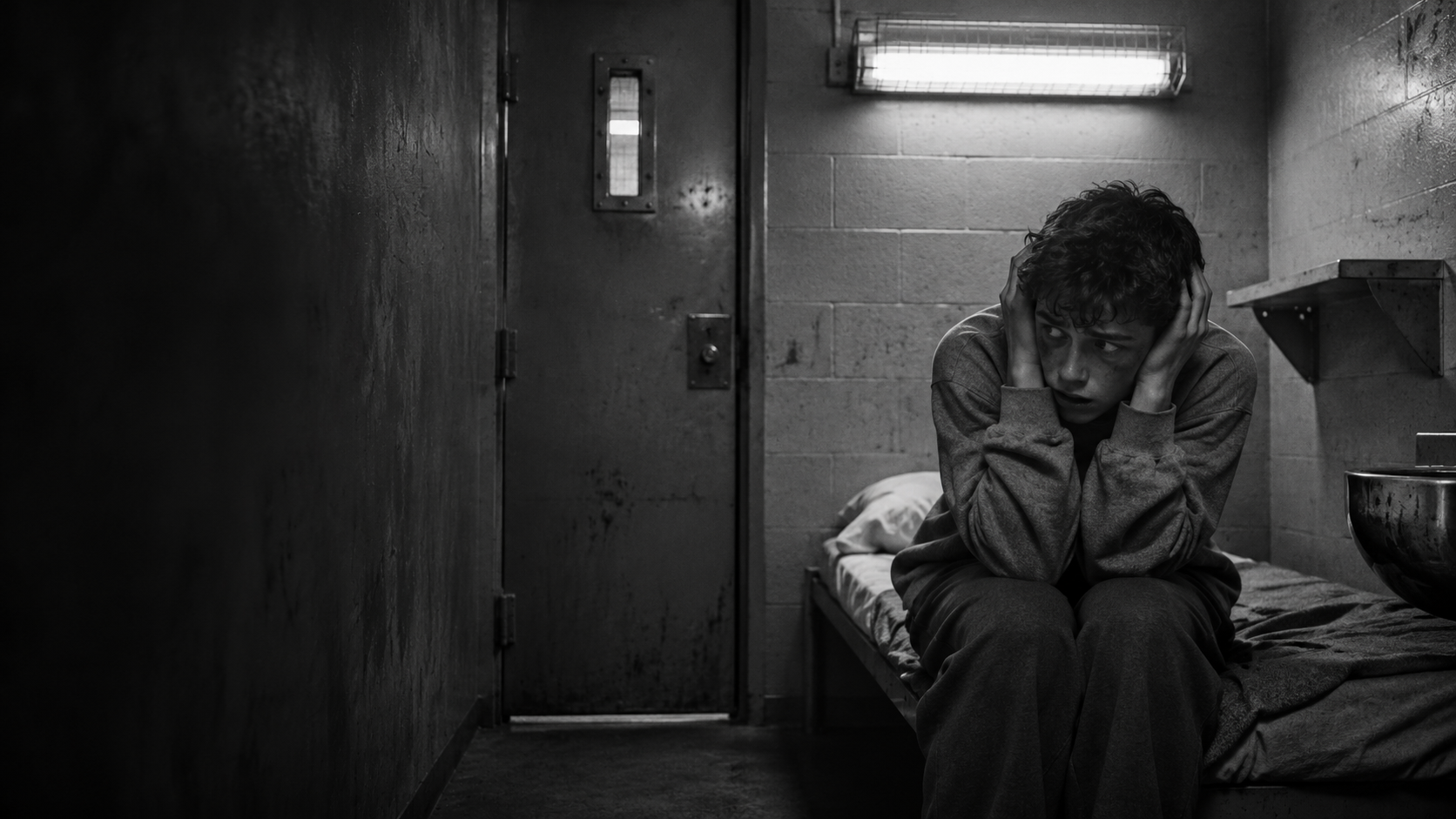
When a child is held in police custody
Under the police codes of practice, anyone who appears to be under 18 must be treated as a child, unless there is clear evidence they are older. That brings extra protections, including an appropriate adult and a duty on the custody officer to find out who is responsible for the child's welfare and contact them.
But a child in a police cell may need more than that. If he has special educational needs, a mental health condition, attachment difficulties or claustrophobia, or is at risk of harm, children's social services and health professionals may have an important part to play in keeping him safe.
The gap
In our experience, children's social services are not always told when a child is held. Families are often left to make the referral themselves, if they even know they can. We did it ourselves, every time, because we wanted another layer of safeguarding around our son.
When families are not listened to
In our experience, even when parents phone the custody suite repeatedly and warn officers that their child is at risk of suicide, is claustrophobic or has special needs, that information is not always recorded or acted on. A child can be left alone in a cell for many hours with little more than a hot drink and a snack.
What parents can do
Contact your local council's children's services front door (often called MASH, or the children's services duty team) and tell them your child is in police custody.
Explain any needs: special educational needs, an EHCP, mental health, attachment, claustrophobia, or any risk of self-harm.
Ask for the referral to be recorded, and note the name of the person you spoke to and the time.
Tell the custody officer and the appropriate adult that you have done this.
Keep a note of every call you make to the custody suite: the time, who you spoke to and what you told them.
Afterwards, you can ask for a copy of the custody record to check what was recorded.
Where we stand
Most police officers and custody staff do a difficult job well, often under real pressure. Our concern is not with them, but with gaps in the system that can leave a vulnerable child without the protection he needs.
We are calling for
Children's social services to be told every time a child is held in police custody, as a clear and consistent requirement.
Every piece of risk information given by a parent to be recorded on the custody record, passed to the custody nurse or healthcare professional, and answered in writing, so families know they have been heard.
Independent welfare checks for every child in custody, carried out by a qualified health or social care professional who is not employed by the police, at regular intervals and recorded on the custody record.
Reasonable adjustments for a child's known needs, such as claustrophobia, to be considered and recorded.
This page is general information, not legal advice.